Name:
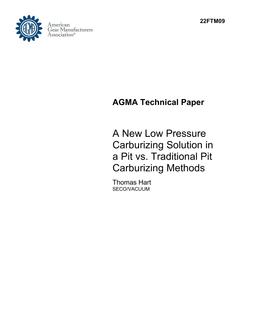
AGMA 22FTM09 PDF
Published Date:
10/01/2022
Status:
[ Active ]
Publisher:
American Gear Manufacturers Association
Pit Low Pressure Carburizing (LPC) for case hardening of large gears is a new approach to a traditional technology. Today’s manufacturing environment demands process, quality & environmental improvements. Heat treatment applications can have an extremely large impact in the reduction of overall costs and time. LPC of gears have been traditionally conducted in horizontal batch configurations with disadvantages that include the limitation of maximum gear size produced deterring the idea of LPC for large gears. Vertical designs allow for the maximum use of a furnace working volume however it comes with its own challenges. Vertical LPC oil quench designs are demanding as they must be connected vertically (requiring a tall shop height and pit for quenching). Vertical vacuum furnaces with high pressure gas quenching (HPGQ) can be utilized however quenching in gas has its limitations vs. oil quenching. Traditional atmosphere pit carburizing designs offer unwanted (yet accepted) effects, including a flammable atmosphere, cumbersome atmospheric generators, intergranular oxidation, etc. The pit LPC approach allows LPC to take place safely & environmentally friendly in a vacuum heating chamber. Upon the conclusion of the boost/diffusion cycles, the component(s) can be removed from heating chamber and placed into a separate oil quench vestibule. Typical LPC furnaces do not allow this as degradation of internal materials take place when exposed to oxygen. The pit LPC design has a heating system which can operate under vacuum and can be exposed to oxygen during material transfer to quench. Deep case depths require long carburizing cycle times, especially at lower temperatures whereas the benefits of pit LPC design allows carburizing at higher temperatures such as 1800-1900°F [980-1040°C] reducing the carburizing times drastically (up to 50%) compared to lower temperatures, saving operating costs and case hardening times.
| Edition : | 22# |
| File Size : | 1 file , 2 MB |
| Number of Pages : | 20 |
| Published : | 10/01/2022 |